
Running clean
A mini split that gets looked at every year keeps that panel closed and the coil behind it clear. Air moves through easily, the unit cycles the way it should, and it keeps pulling its share of the heat all winter without strain.
 Describe it once
Fill out one form instead of calling around for a mini split tune-up.
Yes, a mini split can run all winter in Arkansas, and in most homes here it does most of the heating work on its own. Most homes in the state heat with electricity, and a mini split moving heat is cheaper to run than resistance heat, which matters when power here is already cheap compared to other fuels.
A mini split asked to run from October through March works harder than one that only cools a muggy Arkansas summer. The outdoor unit cycles more, the filter loads up faster, and the coil that was fine in July can start icing over on a cold January night if it hasn't been looked at.
That's where maintenance earns its keep. A technician who services these units every season in this climate knows which models struggle below freezing, how the auxiliary heat kicks in when it does, and what usually fails first on a unit run nearly year-round instead of just in summer.
Finding that technician is the part that takes the time. Searching through listings, calling a few companies, explaining the same symptoms to each one, then sitting on hold waiting for quotes to come back so you can compare them. That's the work this page skips for you.
Submit a request here and it goes to one licensed Arkansas contractor who already works on mini splits through winters like yours, not a handful of companies competing for your callback. You explain the system once, to the person who's actually going to show up and look at it.
The rest of this page gets into how mini splits hold up in Arkansas winters, what temperature they start to lose ground, and what maintenance before winter actually catches. Read through that first. When you're ready for someone to look at your unit, the request takes a minute to send.
Yes, a mini split can run all winter in Arkansas. It keeps pulling heat out of outside air down into the 20s, and Arkansas winters rarely stay below that for long. Below those low temperatures, the unit works harder and its output drops, which is why some homes keep a backup source for the coldest nights. Left alone, most mini splits default to a backup heat strip when the outdoor coil can't keep up, and that strip runs on straight electric resistance, costing far more per hour than the compressor does. A unit that's low on refrigerant or has a dirty outdoor coil will lean on that backup strip sooner and more often, even on nights that aren't especially cold. That's a maintenance problem, not a climate one. Checking refrigerant charge and keeping the coil clean before winter sets in is what keeps the compressor doing the work instead of the strip.




A licensed local pro takes the request for your mini split tune-up.
You're not committing to anything by asking.
A mini split does not make heat the way a space heater does. It moves heat from outside air into your house, even when that air feels cold, because there is still heat in it until the temperature drops much further than Arkansas usually sees. The outdoor unit has a compressor and coil that absorb that heat, and the indoor head delivers it into the room. That process uses less electricity than resistance heat, which just burns power to generate warmth. The lower the outdoor temperature falls, the harder the compressor works to pull the same heat out, and the less heat it moves per hour.
Some homes here pair the mini split with a backup source for the coldest nights, since Arkansas can still drop into the 20s or lower for stretches in January. Electric resistance strips or an existing furnace can carry the load when the outdoor coil can't keep up. Whether your home needs that depends on how the mini split was sized when it went in and how well the house holds heat. A unit sized to cover the whole winter on its own works differently from one meant to handle most of the season with help on the hardest nights. Either setup is normal here.



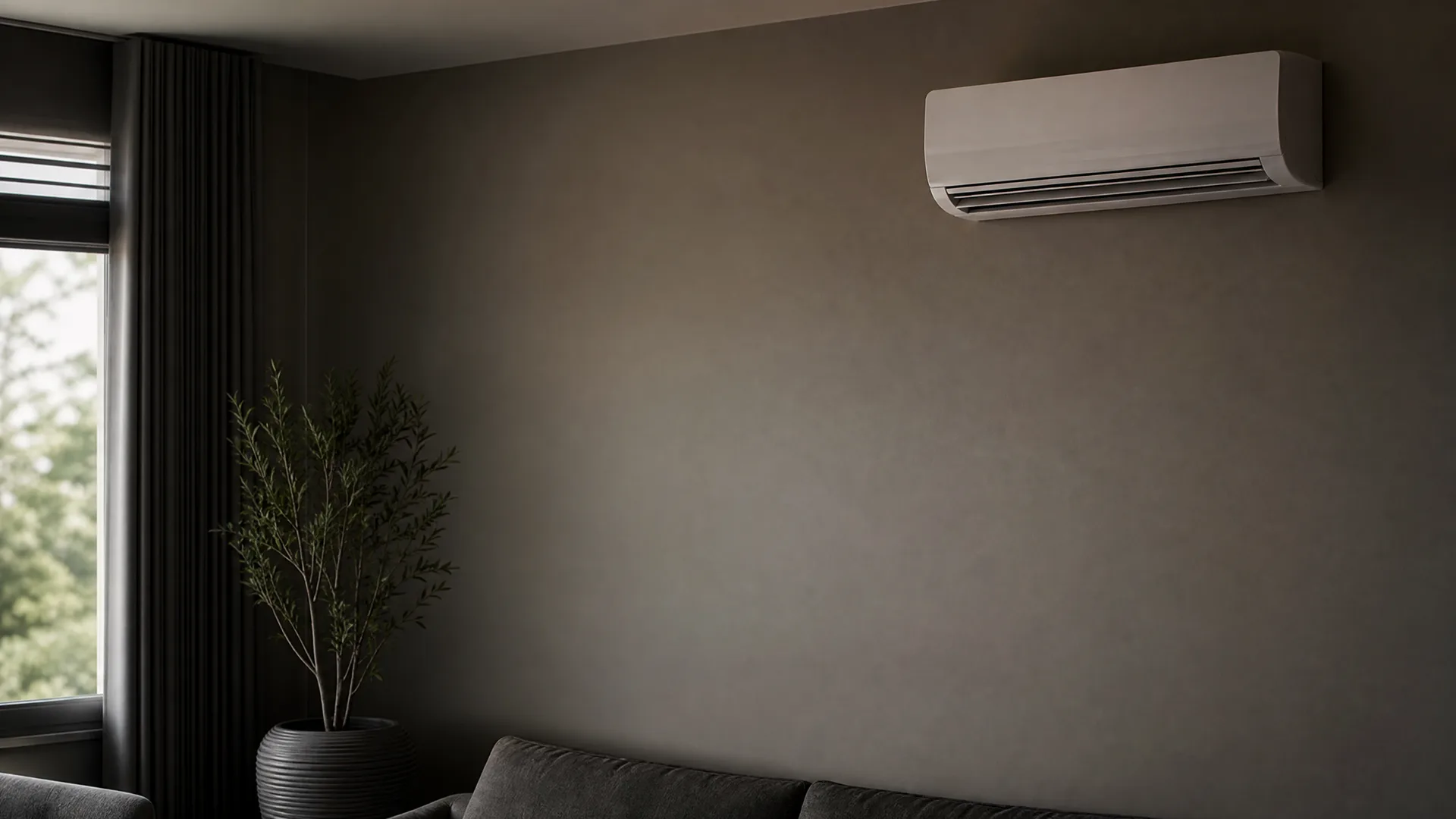
A mini split that gets looked at every year keeps that panel closed and the coil behind it clear. Air moves through easily, the unit cycles the way it should, and it keeps pulling its share of the heat all winter without strain.

Dust and grime like this build up on the casing when the filter and coil haven't been cleaned in a while. The same buildup sits inside, where it blocks airflow and makes the unit work harder for less heat.
At 12.87 cents per kilowatt-hour, running your mini split all winter costs less than heating that same space with baseboard or resistance coils. That gap shows up most on the coldest nights, when the unit is working hardest to pull heat out of the air.
EIA-861 2025 statewide residential average

A mini split that's maintained will carry your home through the winter without trouble. The coil stays clear, the filter stays clean, and the unit keeps pulling heat out of cold air the way it's built to, right down into the 20s. That's the answer: yes, it should run, and yes, it holds up if someone checks it once a year.
Finding that someone is the part that eats an evening. Calling around, explaining the unit and what it's doing, waiting on quotes that don't match up. A local contractor who services mini splits all season already knows what tends to go wrong in an Arkansas winter and what doesn't. Request service here and you hear back from one of them, not a string of callbacks to sort through after a long day.

Only one pro gets your request, so you hear from one company.