Tell us about the job
Takes about a minute. No obligation.
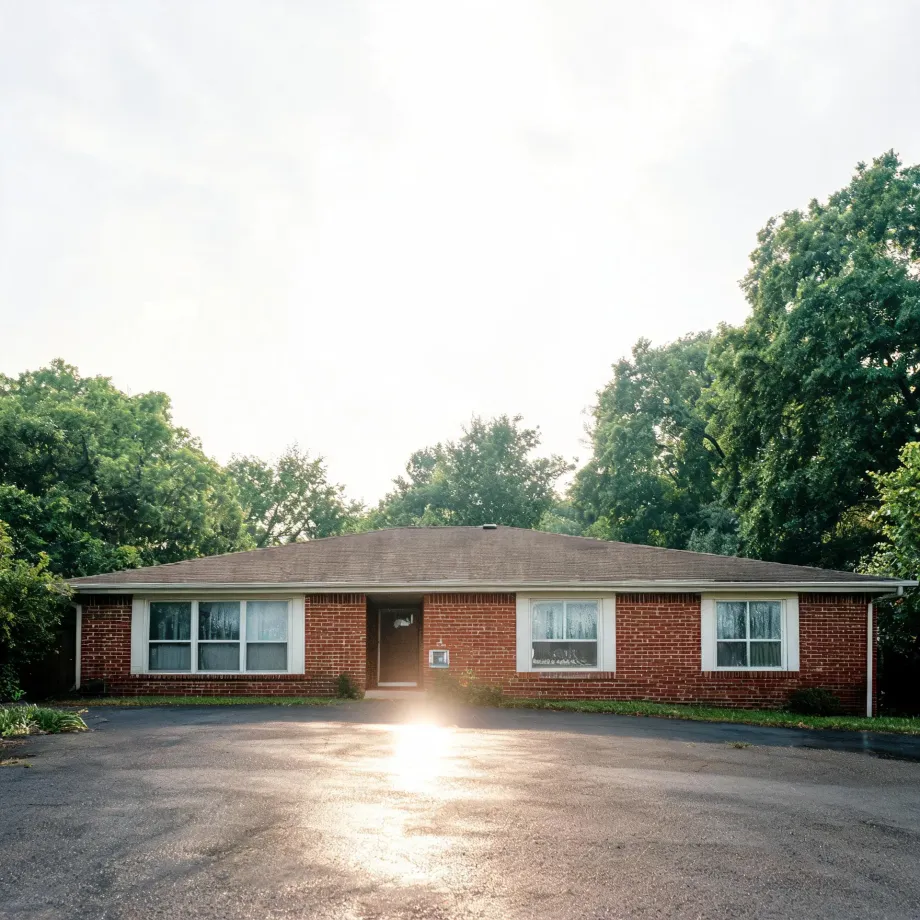
Sizing a mini-split for a Pulaski County home means accounting for a compressor that works hard through a real summer load, not a mild one. Homes in Pulaski County, AR run cooling about five months a year, from May through September. A contractor has to run a load calculation against the actual square footage, ceiling height, and insulation before settling on capacity, because a unit that is short on capacity runs near its ceiling on hot afternoons and never fully cycles off. That sustained partial-load pattern wears the compressor and the contactor faster than a correctly sized system would. Getting the capacity right at installation is where the long-term outcome is decided.
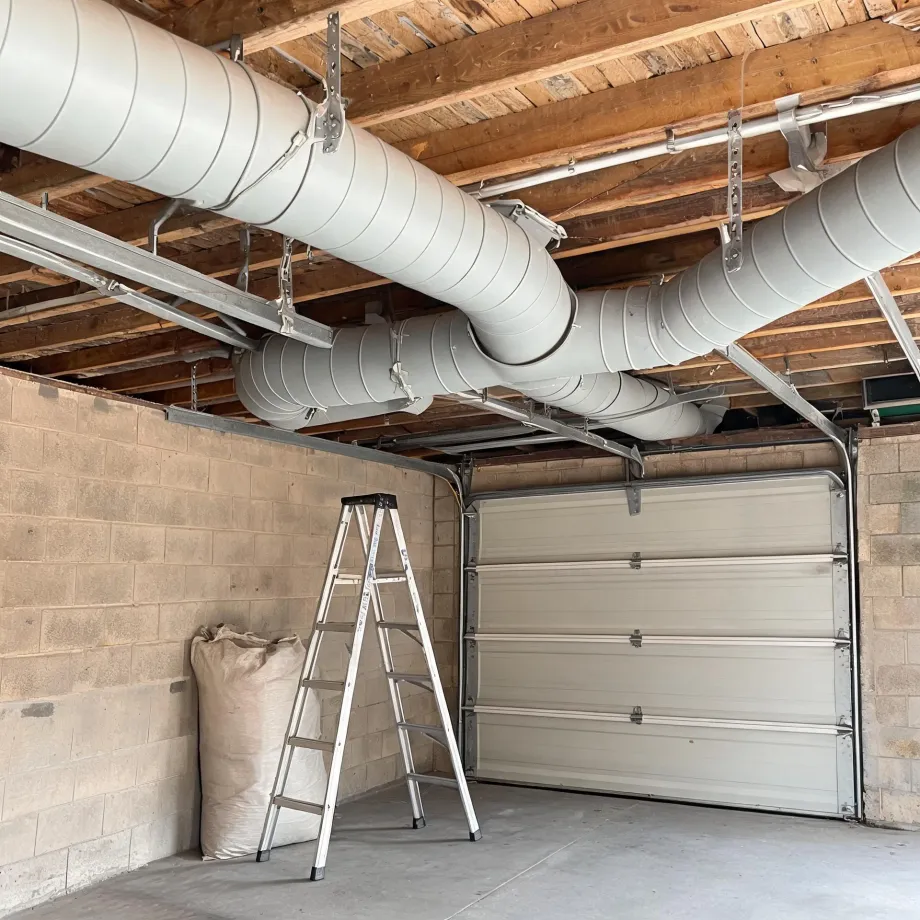
Older electrical panels were sized for what households ran at the time they were built, and a mini-split draws more than that wiring was laid out to handle. Half the homes in Pulaski County, Arkansas were built in 1981 or earlier (2020-2024 ACS 5-year). A contractor quoting a mini-split here has to look at the panel before the unit, because undersized service turns an equipment swap into a panel upgrade. That is a different scope, and a different bill, and a homeowner who knows it going in can plan for it.
The Mini-split Components an HVAC Contractor Works With
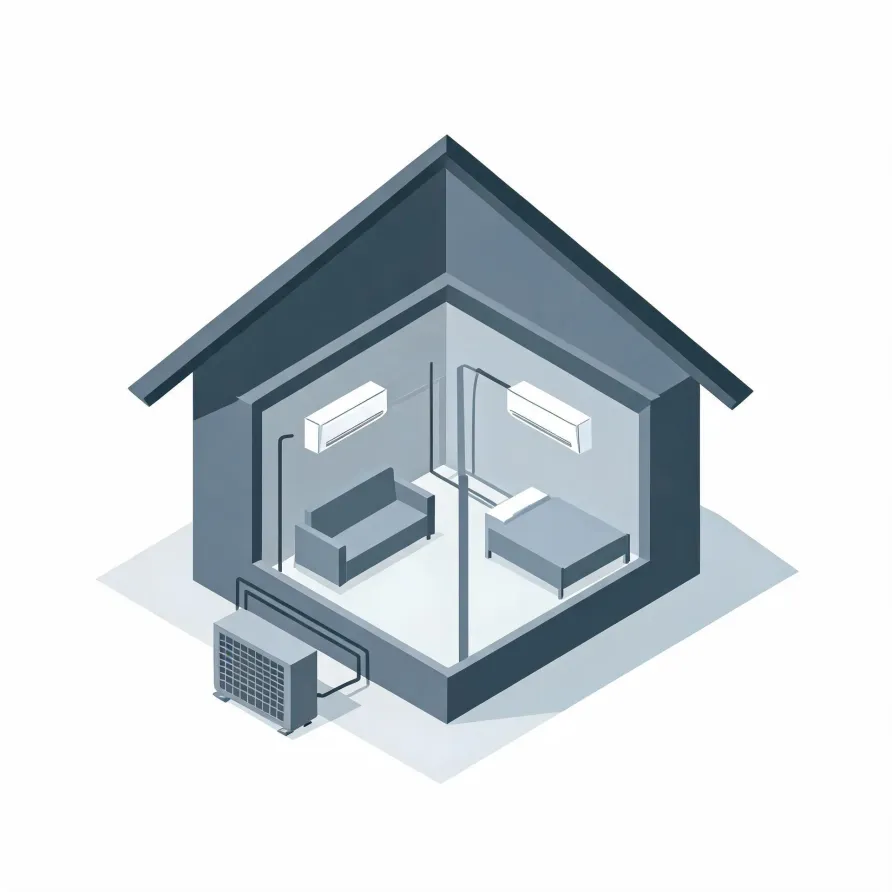
The indoor air handler is the piece a homeowner sees most clearly. It mounts high on an interior wall and delivers conditioned air directly into the room. The outdoor unit sits on the ground or on a wall bracket outside the house, housing the compressor and the components that drive the whole system.
A refrigerant line set runs through a small penetration in the wall, connecting the indoor and outdoor units and carrying the refrigerant between them. A condensate drain line runs alongside it, moving moisture out of the indoor unit, and a power cable ties both units together electrically.
The drawing shows a typical layout, and a licensed contractor determines exactly how each component applies to your house.
Find a contractor in Pulaski CountyPulaski County, by the numbers
311 severe weather events were recorded in Pulaski County, Arkansas between 2015 and 2024.
NOAA National Centers for Environmental Information, Storm Events Database, bulk CSV export, events 2015-01-01 through 2024-12-31.Half the homes in Pulaski County, Arkansas were built in 1981 or earlier (2020-2024 ACS 5-year).
U.S. Census Bureau, 2020-2024 American Community Survey 5-Year EstimatesPulaski County, Arkansas holds 193,408 housing units (2020-2024 ACS 5-year).
U.S. Census Bureau, 2020-2024 American Community Survey 5-Year EstimatesOwners occupy 57.0% of the occupied homes in Pulaski County, Arkansas (2020-2024 ACS 5-year).
U.S. Census Bureau, 2020-2024 American Community Survey 5-Year EstimatesMini-Split Installation Rules and Standards for Pulaski County, Arkansas2 sourced rules and standards
Licensing and Legal Requirements in Pulaski County, Arkansas
An Arkansas HVACR licence is good across the state: no city or county may require its own licence to do HVACR work, though local permits and inspections still apply.
Arkansas requires an HVACR licence or registration: it is unlawful to do HVACR work without the appropriate one unless the chapter exempts you.
Severe Weather Events in Pulaski County
Pulaski County's climate puts real demands on heating and cooling equipment, and those demands are shaped by how often conditions here turn extreme. A mini-split sized and installed for local conditions handles that load better than one that was not.
311 severe weather events, 2015–2024. Source: NOAA National Centers for Environmental Information, Storm Events Database.