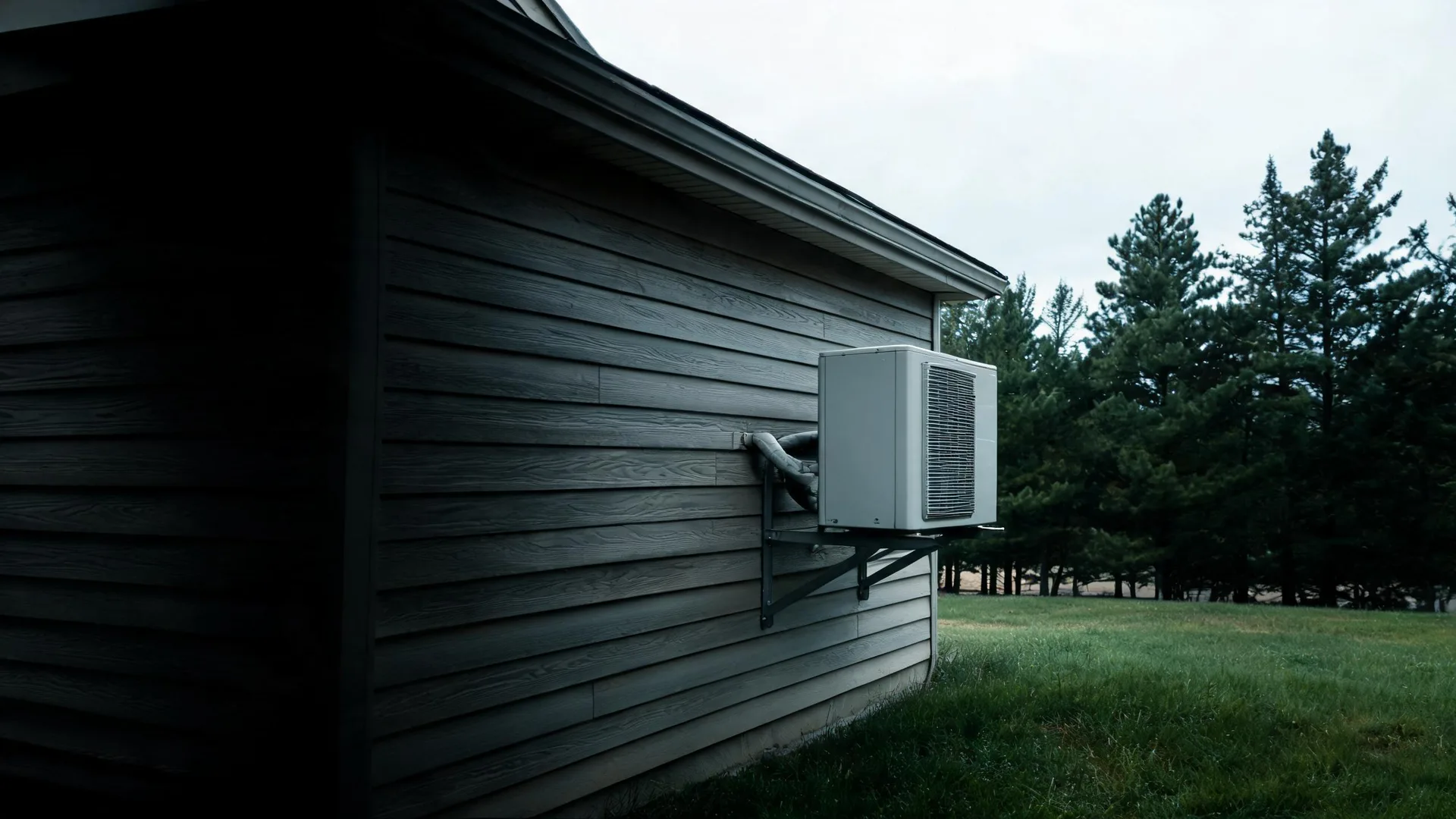
Tell us about the job
Takes about a minute. No obligation.
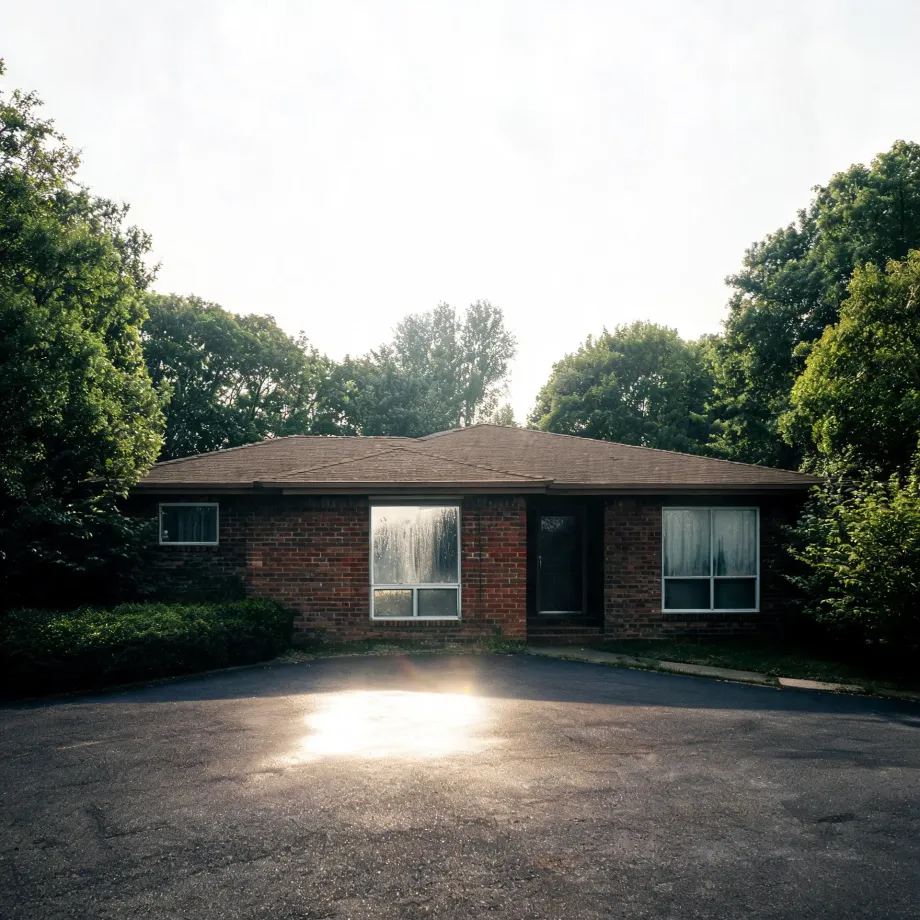
Sizing a mini-split for a Yell County home means accounting for a compressor that will spend a real portion of every year starting, stopping, and moving heat out of the building. Homes in Yell County, AR run cooling about five months a year, from May through September. A compressor working through that kind of summer load wears at its contactor and refrigerant lines in ways a loose or undersized install accelerates. A contractor has to establish the correct capacity before anything else, because an undersized unit runs longer cycles and the condenser fan never gets the breaks a properly matched system earns. Get the installation right and those components reach the end of their service life on schedule.
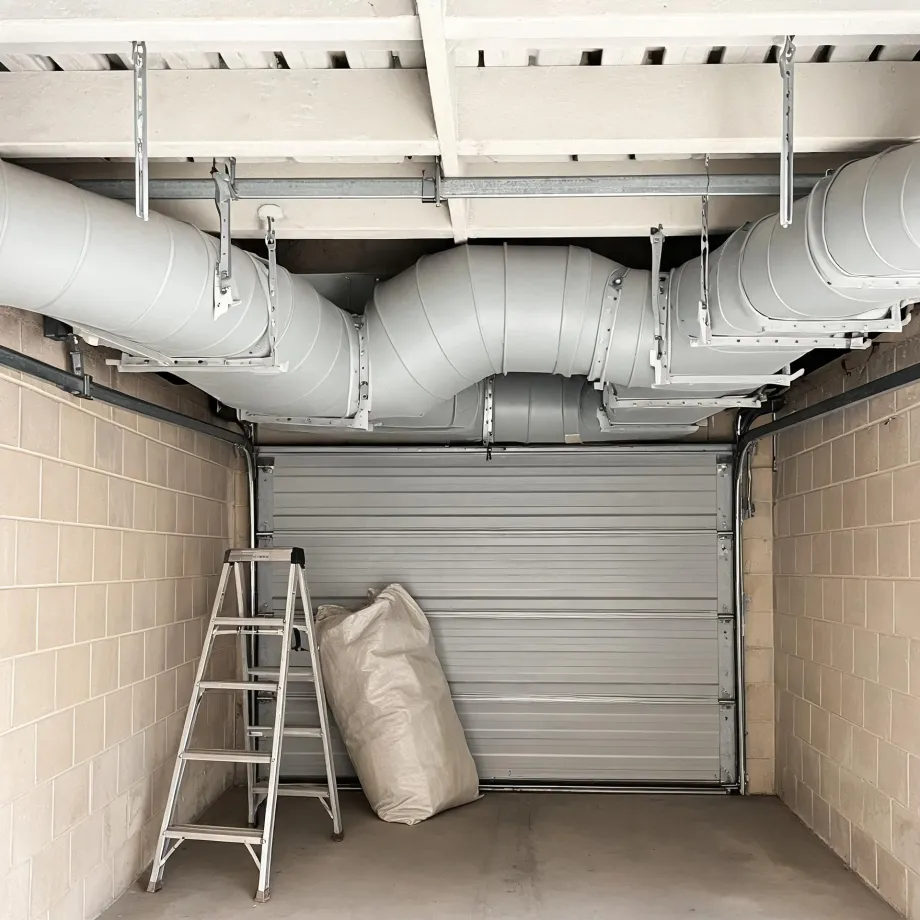
Older service panels in this county were built for the loads of their era, and a mini-split installation lands on top of that history. Half the homes in Yell County, Arkansas were built in 1984 or earlier (2020-2024 ACS 5-year). What that means for installation work is straightforward: a contractor has to verify that the existing panel can handle what the new unit draws before the job moves forward. If the panel cannot, that work gets scoped and priced first. The ductless part of ductless installation goes smoothly; the electrical is where the variables live.
The Mini-split Components That Come With a New Installation
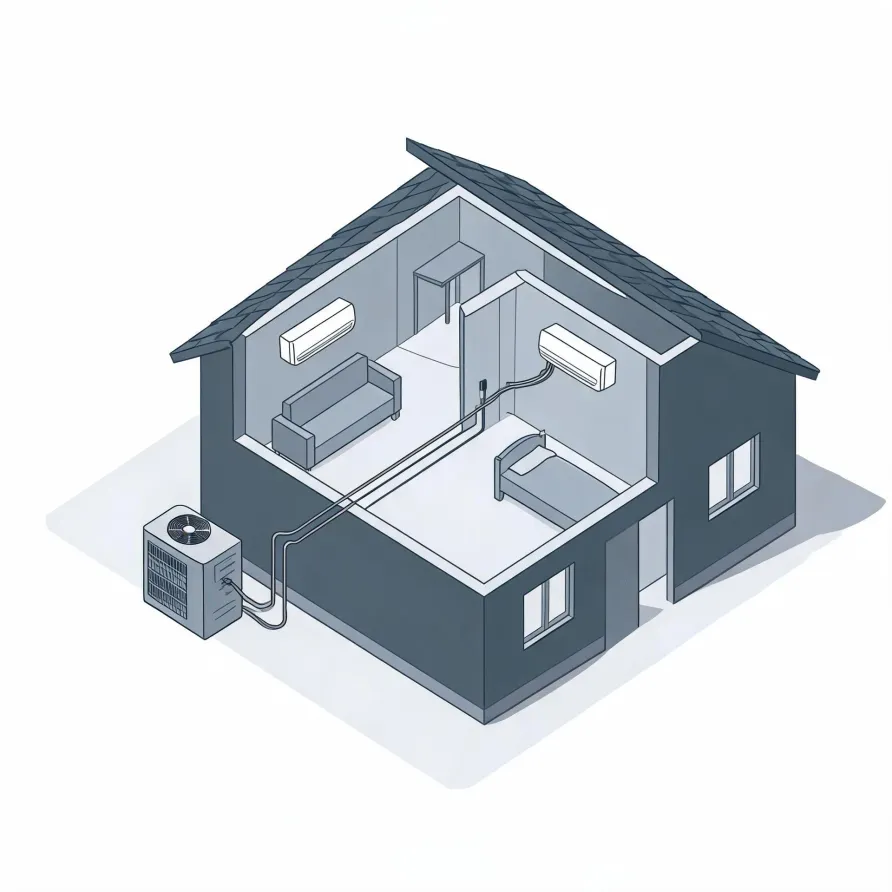
The indoor air handler mounts high on an interior wall in the room being conditioned, and that placement is what makes a mini-split visible day to day. The outdoor condenser unit sits on the ground or on a bracket outside the house, housing the compressor and the hardware that drives the whole system.
A refrigerant line set runs between the two units through a small penetration in the wall, carrying the working fluid back and forth. A condensate drain line runs alongside it, pulling moisture out of the indoor unit. A dedicated electrical circuit feeds the outdoor unit directly.
The drawing shows a typical layout, and a licensed contractor determines how each component positions in your specific home.
Find a contractor in Yell CountyYell County, by the numbers
66 severe weather events were recorded in Yell County, Arkansas between 2015 and 2024.
NOAA National Centers for Environmental Information, Storm Events Database, bulk CSV export, events 2015-01-01 through 2024-12-31.Half the homes in Yell County, Arkansas were built in 1984 or earlier (2020-2024 ACS 5-year).
U.S. Census Bureau, 2020-2024 American Community Survey 5-Year EstimatesYell County, Arkansas holds 9,312 housing units (2020-2024 ACS 5-year).
U.S. Census Bureau, 2020-2024 American Community Survey 5-Year EstimatesOwners occupy 67.5% of the occupied homes in Yell County, Arkansas (2020-2024 ACS 5-year).
U.S. Census Bureau, 2020-2024 American Community Survey 5-Year EstimatesRules and Standards Behind Mini-Split Installation in Yell County, Arkansas2 sourced rules and standards
Licensing Rules for Yell County, Arkansas
An Arkansas HVACR licence is good across the state: no city or county may require its own licence to do HVACR work, though local permits and inspections still apply.
Arkansas requires an HVACR licence or registration: it is unlawful to do HVACR work without the appropriate one unless the chapter exempts you.
Severe Weather Events in Yell County
Arkansas weather puts real demands on heating and cooling equipment, and Yell County gets its share of what the region can deliver. A system sized and installed for local conditions holds up better than one specced without that context.
66 severe weather events, 2015–2024. Source: NOAA National Centers for Environmental Information, Storm Events Database.