Profile view of a bearded man wearing a black baseball cap and a dark gray T-shirt against a plain light background.

Does a mini split lower heating bills in Arkansas

Step 1 of 3: Equipment

A mini split usually lowers your heating bill, because most homes in Arkansas heat with electricity, and a mini split moves heat into the house instead of making it the way baseboard heat or an old electric furnace does. That difference shows up most on mild days, the kind Arkansas gets plenty of through the winter, when the unit barely has to work to keep up. It struggles more on the coldest nights, when it has to pull harder and run longer, so the savings aren't the same every month. Power is cheap here, which already keeps electric heating costs down, so the drop you'll see from a mini split is real but smaller than it would be somewhere paying more per kilowatt hour. If your current system is old or sized wrong for the space, a mini split installed to fit that space will likely cost less to run than what it replaces.

A woman wrapped in a cream textured blanket sits in an armchair beside a lit lamp and a dark window, with an open book in the foreground.
A smiling older woman with gray hair in a cream knit sweater stands in a dimly lit kitchen beside a window showing snow outside, with a round loaf of bread on the counter in the foreground.

Why it uses less power

A mini split moves heat from the outside air into your house instead of generating it with electric resistance. A furnace with electric heat strips, or baseboard heat, turns electricity straight into heat at a one-to-one rate. A mini split's outdoor unit pulls in heat from the air outside and concentrates it inside, so it can deliver more heat per dollar of electricity than a system that has to manufacture every bit of warmth itself. That's the whole reason it costs less to run on the same cold day.


Where the savings taper off

Heat pumps lose efficiency as the outside temperature drops, because there's less heat in that cold air to pull from. On most winter nights in Arkansas that isn't a problem, since temperatures stay well above the range where a mini split struggles. On the rare hard freeze, some units bring on backup electric heat to keep up, and during those stretches the savings shrink because the system is leaning on the same kind of resistance heat it was installed to avoid.

A gray-haired, bearded man in a dark coat dusted with snow stands smiling in a dimly lit room with a lamp, mirror, framed art, and a sofa in the background.
An older man with white hair and a beard, wearing a dark snow-dusted coat and scarf, stands in a warmly lit interior hallway with a framed landscape picture, a table lamp and a potted plant behind him, and a snowy view through a window at left.
An older man in a dark snow-flecked overcoat and scarf stands smiling in a warmly lit home entryway, with a glass-paned door showing darkness outside and a lamp-lit room visible through a doorway behind him.
An older man with gray hair and a beard, wearing a dark snow-dusted jacket and scarf, stands smiling in a warmly lit interior hallway with a lit table lamp, a vase of dried branches, and a framed picture in the background.

The outdoor unit doesn't just switch on and off. Its compressor runs at variable speed, so once your room hits the set temperature it slows down rather than shutting off, the way a furnace or baseboard heater does when it cycles. That cycling is what costs you. Every time an electric furnace fires back up, it draws full power from a stop. A mini split avoids most of that by easing up instead of stopping.

Cold snaps change the math some. Once it's down in the single digits or low teens outside, the unit has to work harder to pull heat from that air, and its output drops. Cold-climate models cover this with a backup heat strip that only kicks in during those stretches, not as the main source of heat.

Day to day, the difference shows up in comfort too. The indoor head puts out a steady stream of warm air instead of the hot bursts a furnace blows when it cycles, so the room holds a more even temperature. And if you've got more than one zone, you're only heating the rooms you're actually using.

How a mini split actually heats

  • The outdoor unit has a variable-speed compressor, so it slows down once the room reaches your set temperature instead of shutting off completely.
  • A standard electric furnace or baseboard heater cycles fully on and off, drawing full power every time it fires back up.
  • Below a certain outdoor temperature, usually somewhere in the single digits or low teens, a mini split's output drops and it has to work harder to pull heat from that cold air.
  • Many mini splits made for cold climates include a backup heat strip that only kicks in during those extreme cold snaps.
  • The indoor head blows a steady stream of warm air rather than the hot, cycling blasts you get from a furnace, which keeps the room temperature more even.
  • A mini split with multiple zones lets you heat only the rooms you're using instead of warming the whole house through one thermostat.
A white wall-mounted mini-split air conditioner installed near the ceiling on a light-colored interior wall, with a window and green foliage visible at the left edge.
A clean mini split pulls heat out of cold outdoor air without straining, which is why the savings hold up in January.
A dusty white wall-mounted mini-split air conditioner indoor unit installed high on a beige interior wall below a white ceiling and trim.
A dirty intake and iced-over coil make the unit lean on backup resistance heat, the expensive kind, to keep the room warm.

What Costs You the Savings

  • A frozen or dirty coil forces the unit onto backup resistance heat, which costs about the same as the baseboard heat you were trying to avoid.
  • If the filter goes more than a few months without a wash, the indoor head loses airflow and runs longer to hold the same temperature.
  • A mini split sized too large for the room will short cycle, turning on and off instead of holding a steady low speed where it saves the most.
  • An outdoor unit buried in leaves or blocked by snow has to work harder to pull heat from the air, even on a mild day in Arkansas.
  • A clogged drain line or a refrigerant leak drops output quietly, so the bill creeps up before anyone notices the room running colder than the thermostat says.
  • Left alone for a full winter without a cleaning, a mini split can lose enough efficiency that the January bill looks like the electric furnace it replaced.

The savings depend on the mini split running the way it's built to run, at low, steady speed, pulling heat from outside air instead of making it. Anything that blocks that airflow eats into the savings before you see it on the bill. A coil caked with dust or frost can't pull heat efficiently, so the unit leans on backup resistance heat to make up the difference, and that heat costs what your old baseboard heat cost. A dirty filter does something similar from the other side, choking off airflow into the room so the unit runs longer for the same result. Sizing matters too. A unit too big for the space never settles into that low, efficient speed where the savings come from. It just cycles on and off, which is closer to how an electric furnace behaves than how a mini split is supposed to behave. Outside, the unit needs clear air around it. Buried in leaves or iced over, it has to work harder to do the same job, even on a mild Arkansas day. A refrigerant leak or a clogged drain line is the quietest problem of all, because the room feels a little colder, the unit runs a little longer, and the bill climbs before anyone connects the two. None of this is dramatic on its own. It adds up over a winter, and by January the unit that was supposed to beat the electric furnace is running close to it.

A wall-mounted mini-split air conditioner indoor unit with a yellowed plastic casing and dark horizontal vent louvers, installed on a plain light-gray wall.
Before you get your mini split installation
A white wall-mounted mini-split air conditioner on a light gray wall in an empty room with dark wood flooring, white baseboards, a tray ceiling with recessed lights, and a window at the left.
After you get your mini split installation

A local pro for your mini split installation

One installer gets your project, so there's no bidding war over it.

You only hire the pro if you want to.

A mini split sized right for the rooms it heats keeps up on most Arkansas winter days without help, since cold snaps here are short and don't often sit near zero.

On the coldest nights, the unit leans on backup resistance heat to hold temperature, and those hours cost about what baseboard heat costs, not what the mini split costs the rest of the season.

Power costs 12.87 cents per kilowatt-hour statewide

At 12.87 cents a kilowatt-hour, every bit of efficiency a mini split gives you turns into real money saved, not just a smaller number on paper. Since it moves heat instead of making it, that rate buys you a lot more warmth per dollar than baseboard ever could.

EIA-861 2025 statewide residential average

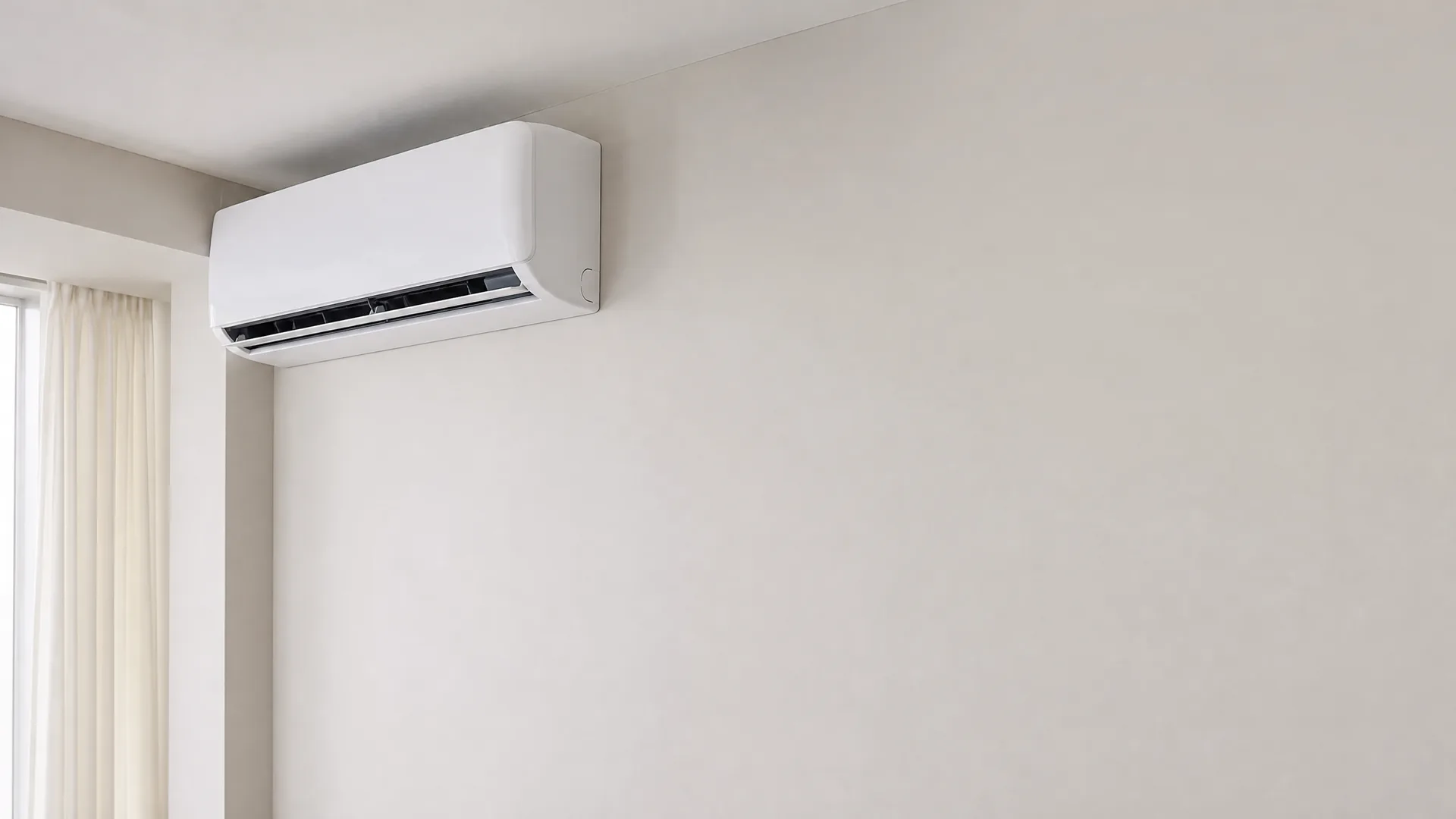
A white wall-mounted mini-split air conditioner near the ceiling of a room with plain beige walls and a pale curtain at the left edge.

A single mini split for the whole house

One indoor head in the living room can carry a small, open floor plan, but it leaves bedrooms down the hall to fend for themselves. Rooms with a door shut at night stay colder, and that gap gets wider the farther the room sits from the unit. You can end up running a space heater in the back bedroom, which eats into the savings you installed the mini split to get in the first place.

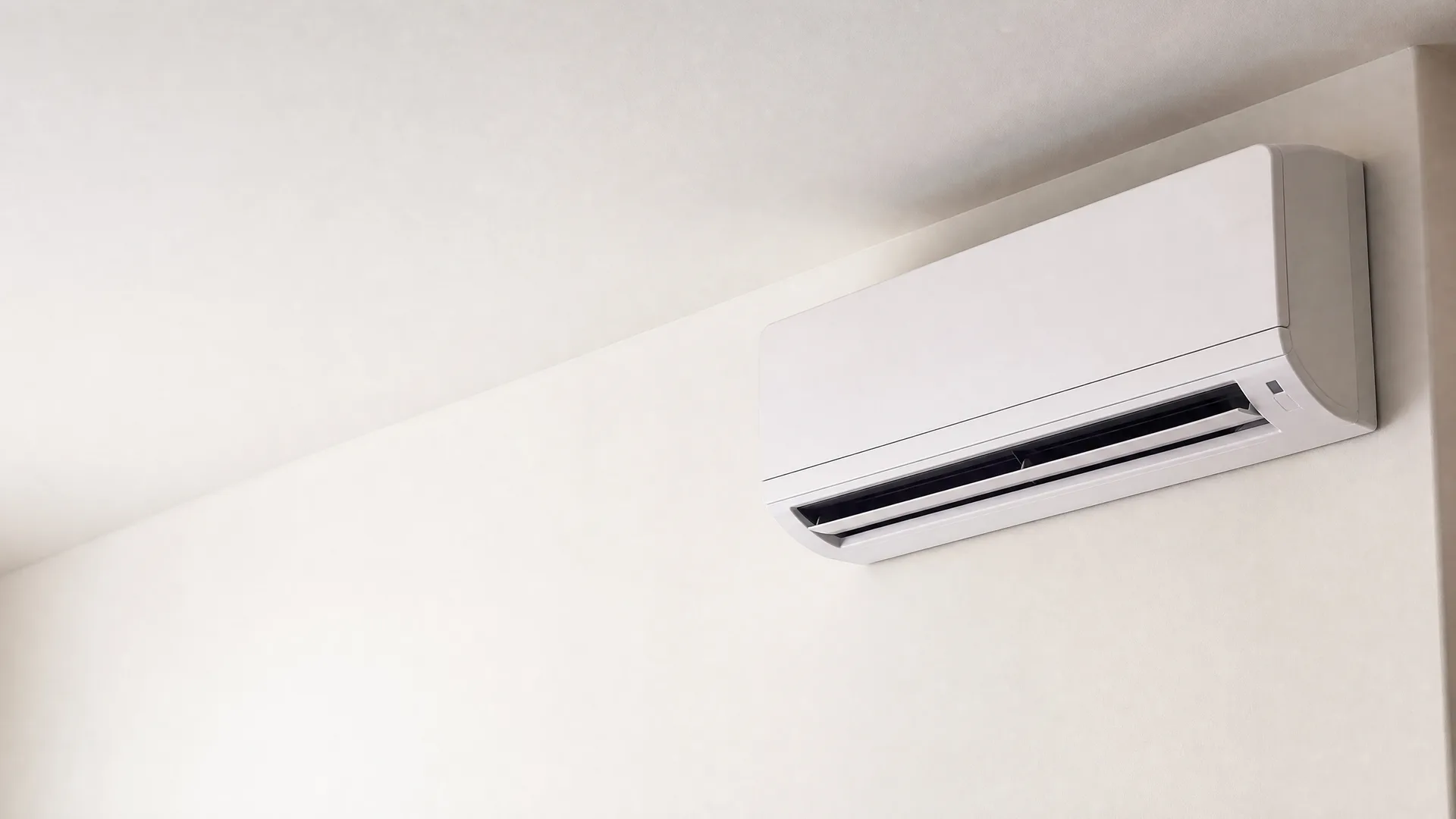
A white wall-mounted mini-split air conditioner indoor unit installed near the ceiling on a plain off-white interior wall.

A multi-zone system matched to the house

A mini split sized with a head in each room you actually heat holds temperature evenly from the front door to the back bedroom. It costs more to install than a single head, but it means no room is quietly working against the system. A contractor who installs these in Arkansas homes regularly can walk through your layout and tell you where heat loss actually happens, not just where it's convenient to mount a unit.

How does a mini split actually move heat into the house?

You know a mini split is supposed to save you money on heat, but the idea of pulling heat out of cold winter air sounds backwards. It helps to know what's actually happening inside the unit, not just that it works.

It uses refrigerant to carry heat from outside air into your house

Refrigerant inside the outdoor unit absorbs heat from the outside air, even when it's cold, because refrigerant boils at a much lower temperature than water does. A compressor pressurizes that refrigerant, which raises its temperature further, then pumps it inside to the indoor head. There, a coil releases that heat into the air blowing through your room, and a fan pushes it out into the space. The refrigerant cycles back outside to pick up more heat and repeat the process. None of that heat is generated by burning fuel or running electricity through resistance wire. It's moved, not made, which is the whole reason a mini split uses less power than baseboard heat to warm the same room.

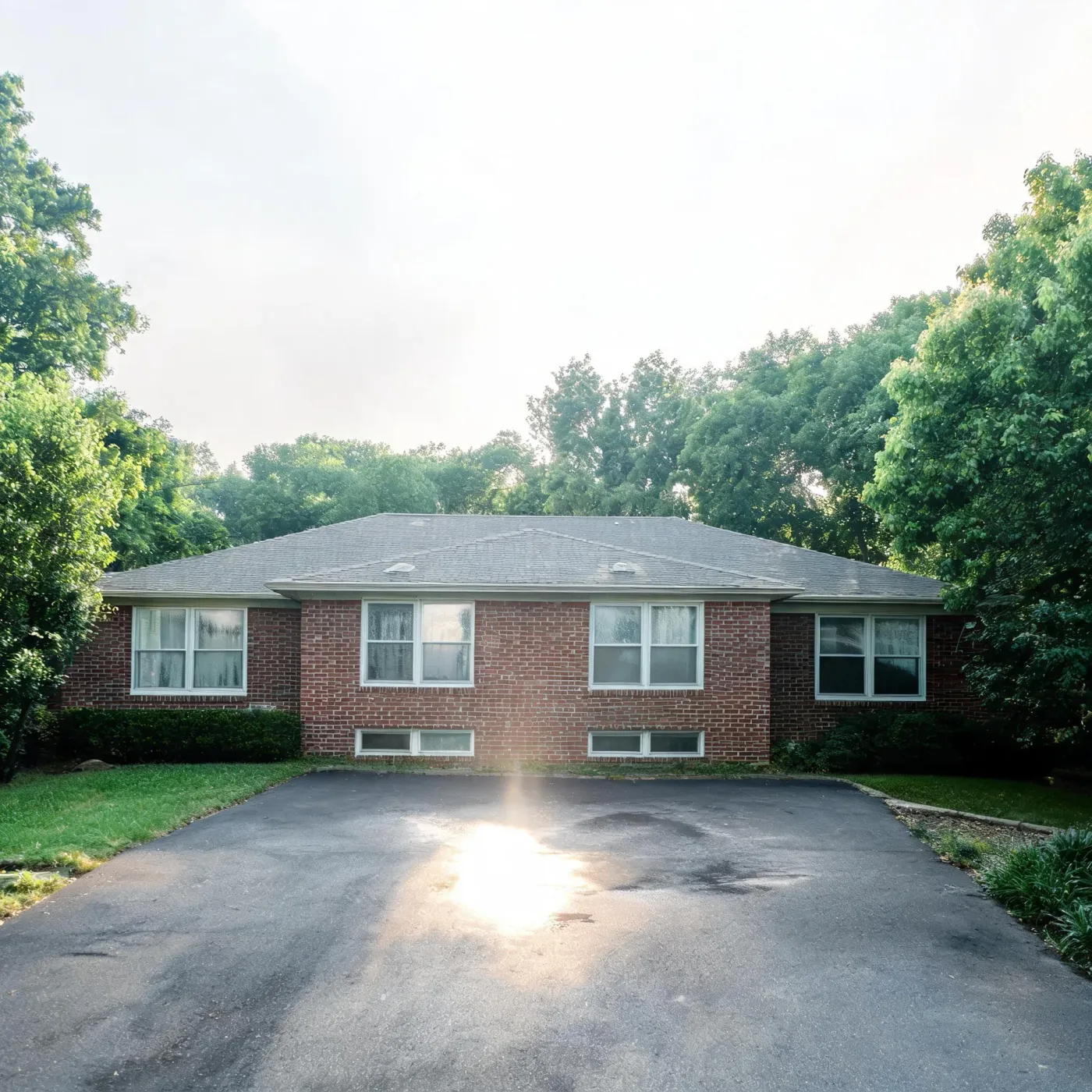
A single-story brick ranch house with a gray shingled hip roof, white-framed windows and basement windows, fronted by a wide asphalt driveway with sun glare, surrounded by green lawn and leafy trees under a bright hazy sky.

Summer air here averages a 68°F dew point across June, July and August, according to NOAA climate normals. That's heavy, sticky air, and it means your mini split spends those months pulling a lot of moisture out of the house, not just cooling it. The indoor head runs longer to do both jobs at once. It also means the filter loads up faster than it would in a drier climate, since the coil is wet more of the time and catches more of what passes over it. A filter left dirty through a muggy Arkansas summer cuts into how well the unit heats once fall comes, because it's the same coil and the same airflow doing the work either way.

NASA POWER T2MDEW county cells weighted by homes

A woman in a cream sweater and jeans stands in the open doorway of a white stucco house, holding the dark door, while a man in a dark quilted jacket seen from behind walks toward the entry past potted plants.

A mini split that's sized and installed right will cost you less to heat with

The answer is yes, with Arkansas electric rates and most homes here already heating with electricity. A mini split moves heat instead of making it, so it does more with every kilowatt than baseboard or an electric furnace can. Where that holds up depends on the unit fitting the space it heats and staying clean enough to run the way it's built to run.

That's where a local contractor matters more than the equipment itself. Someone who installs and services mini splits in Arkansas every winter knows how these units behave on the cold nights that actually happen here, and how to size one so a back bedroom isn't left out in the cold while the living room stays warm. If you go forward, you'll be matched with one licensed contractor local to you, not a list of companies competing for your call, and they'll reach out to go over what your house actually needs.

Interior corner with a beige sofa holding a dark green and a light cushion and a textured throw, a potted small-leaved tree beside a white-framed window, and a dark shallow bowl on a wooden coffee table in the foreground.
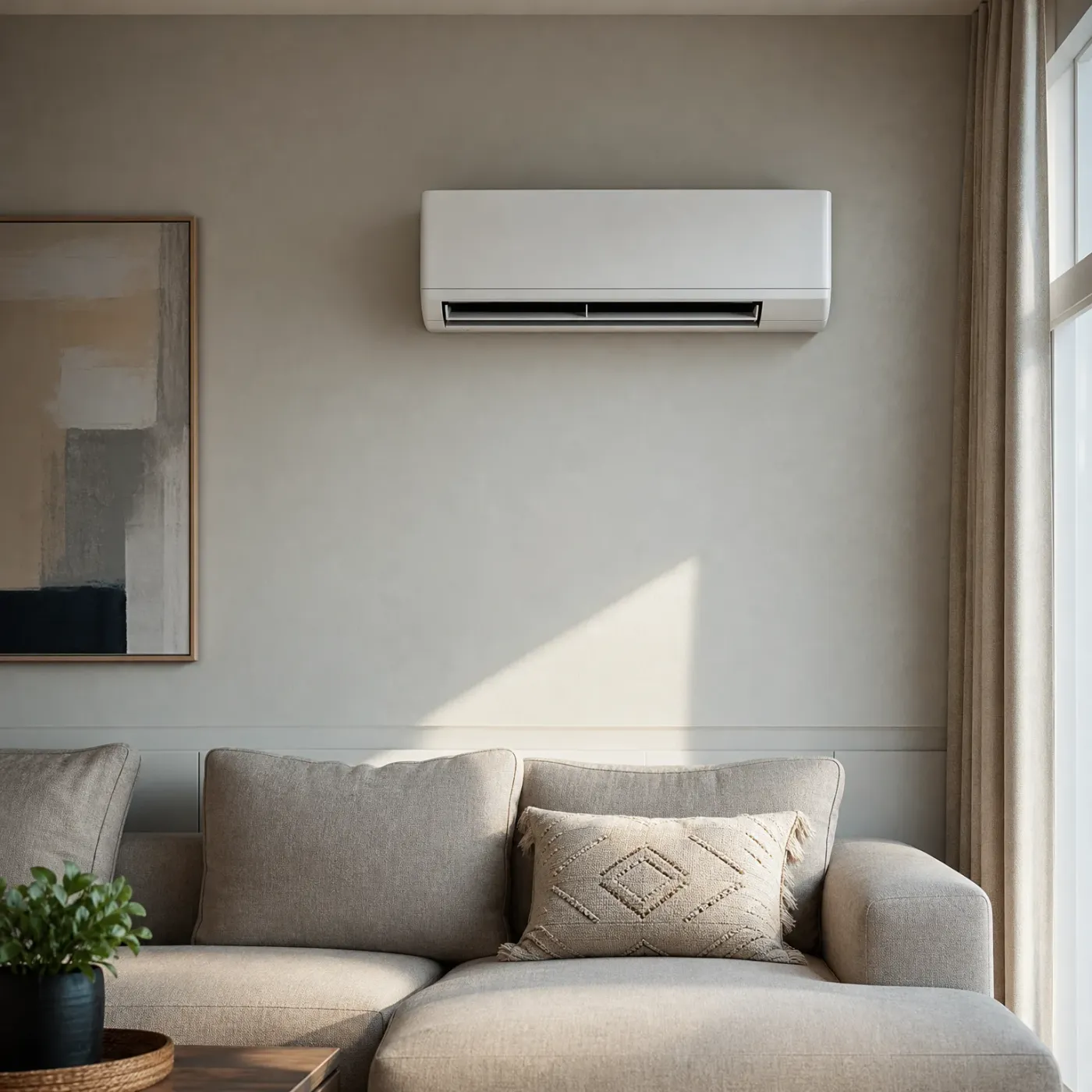
A white wall-mounted mini-split indoor unit on a light gray wall above a beige sectional sofa with a patterned cushion, beside a framed abstract artwork and a curtained window.

Get the right pro for your mini split

Request a pro

Your request stays with one local pro.

Asking costs nothing, and the choice to hire stays yours.