












Can a mini split heat a basement in an Arkansas winter

A local installer who puts in mini splits gets your project.

Get a mini split pro

Will a mini split keep my basement warm in an Arkansas winter?

A basement sits lower than the rest of the house and usually away from the main furnace ducts, so it's often the coldest room when temperatures drop. You want to know if a mini split can actually hold its own down there once an Arkansas cold snap sets in, or if you'll end up with a chilly room no matter what you install.

Yes, if it's sized for the space

A mini split heats a basement by pulling warmth from the outside air and moving it inside, and it keeps doing that even when it's cold out, down to well below freezing. Arkansas winters don't push temperatures low enough or long enough to be a problem for a unit sized correctly for the room. The part that matters is sizing. A basement with low ceilings and concrete walls holds heat differently than an upstairs bedroom, so the unit needs to match that space, not just the square footage on paper. Get the sizing right and the mini split will hold a basement warm through the coldest stretch of a winter here.

A woman with long blonde hair in a light blue shirt leans back on a beige sofa with her eyes closed, in a softly lit living room with cushions and a blurred plant and shelf in the background.
A woman with long dark hair in a gray knit sweater sits on a gray sofa with a cushion, looking toward a window in a living room with framed pictures and a lamp in the background.
A woman with long dark hair in a light grey knit sweater sits on a sofa indoors, looking to her right, with a framed landscape picture, a potted plant and a curtained window behind her.
A woman with long dark hair leans back against a gray sofa with her eyes closed, in a living room with a curtained window, a potted plant, and a dark screen in the background.

Most mini splits sold today use a heat pump that keeps pulling heat out of the outside air down to around 5 degrees Fahrenheit, sometimes lower depending on the model.

Arkansas winters rarely stay that cold for long, so a properly sized mini split can carry a basement through the season without a backup heater running the bill up.

A white wall-mounted mini-split air conditioner indoor unit with visible dust and staining along its lower vent, installed on a plain pale wall.
Before you get your mini split installation
A white wall-mounted mini-split indoor unit installed high on a gray interior wall, with a window at left and part of a light gray sofa with a dark cushion at lower right.
After you get your mini split installation

What a cold basement costs you

A basement that stays cold pulls heat from the rooms above it through the floor, so the rest of the house works harder to stay warm. If anyone sleeps or spends time down there, you'll hear about it before you see it on a bill. A space heater can get the edge off, but it only warms what's near it, and it runs on the same electricity a mini split uses to heat the whole room for less. Since most homes here already heat with electricity, adding a mini split to the basement doesn't change how you pay for heat. It changes how much of the house actually gets warm.

What's at risk if you skip it

A basement with no dedicated heat source depends on whatever warm air drifts down the stairs, and that's rarely enough once it's cold outside. Moisture that a heated basement would dry out can sit in a cold one, and that matters more here because summers are muggy and the same space has to handle that humidity the rest of the year. A mini split sized for the room handles both jobs, warming it in winter and pulling moisture out in summer. Leave the basement unheated and you're left managing it room by room, with whoever's down there the one who notices first.

A smiling older woman with gray shoulder-length hair in a cream cable-knit turtleneck sweater stands behind a wooden board holding a round loaf of bread, in a warmly lit kitchen with a dark window and shelves behind her.
A woman and a child wrapped together in a thick knitted blanket on a sofa, both with eyes closed, with a lit table lamp and houseplant in the dim background.
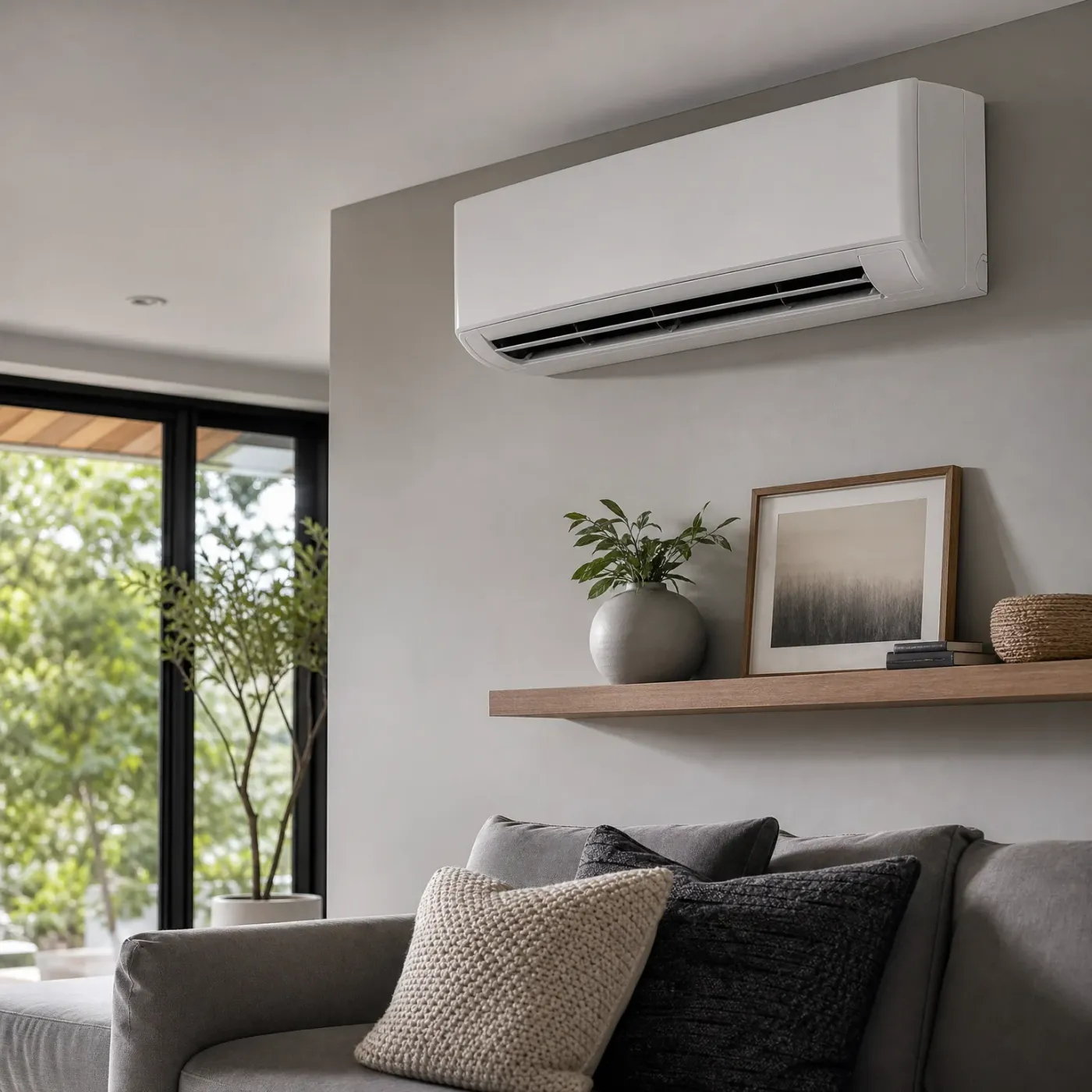
A white wall-mounted mini-split air conditioner near the ceiling of a living room with a gray sofa, knit cushions, a wooden floating shelf holding a plant in a round vase, a framed print and a woven basket, and a large window showing green trees.

A local pro for your mini split installation

Once you send the form, finding a pro is off your list.

Get in touch with a local installer about a new mini split.

Connect with a pro

You only hire the pro if you want to.

A white wall-mounted mini-split air conditioner installed high on a light gray interior wall below a white crown molding and ceiling with a recessed light.
A mini split sized right for the basement keeps pulling heat even when it's cold outside, and the room stays even.
A dusty, discolored white wall-mounted mini-split air conditioner unit installed on a plain beige interior wall below a molding strip.
An undersized or aging unit falls behind once temperatures drop, and the basement cools faster than it can keep up.

Is your basement colder than the rest of the house

You'll notice it on the stairs before anything else, a drop in temperature as you head down. The air feels damp even when it isn't humid outside. Concrete floors and walls hold cold longer than the framed rooms above, so a basement can sit ten degrees under the rest of the house once the weather turns. If there's a mini split down there already, check whether it's keeping pace or running constantly without catching up. A unit that's undersized or wasn't placed well for the room will struggle once outside temperatures drop into the 30s and below, and the people who use that space the most, whether it's a bedroom, a den or a workspace, will feel it long before anyone thinks to check a thermostat.

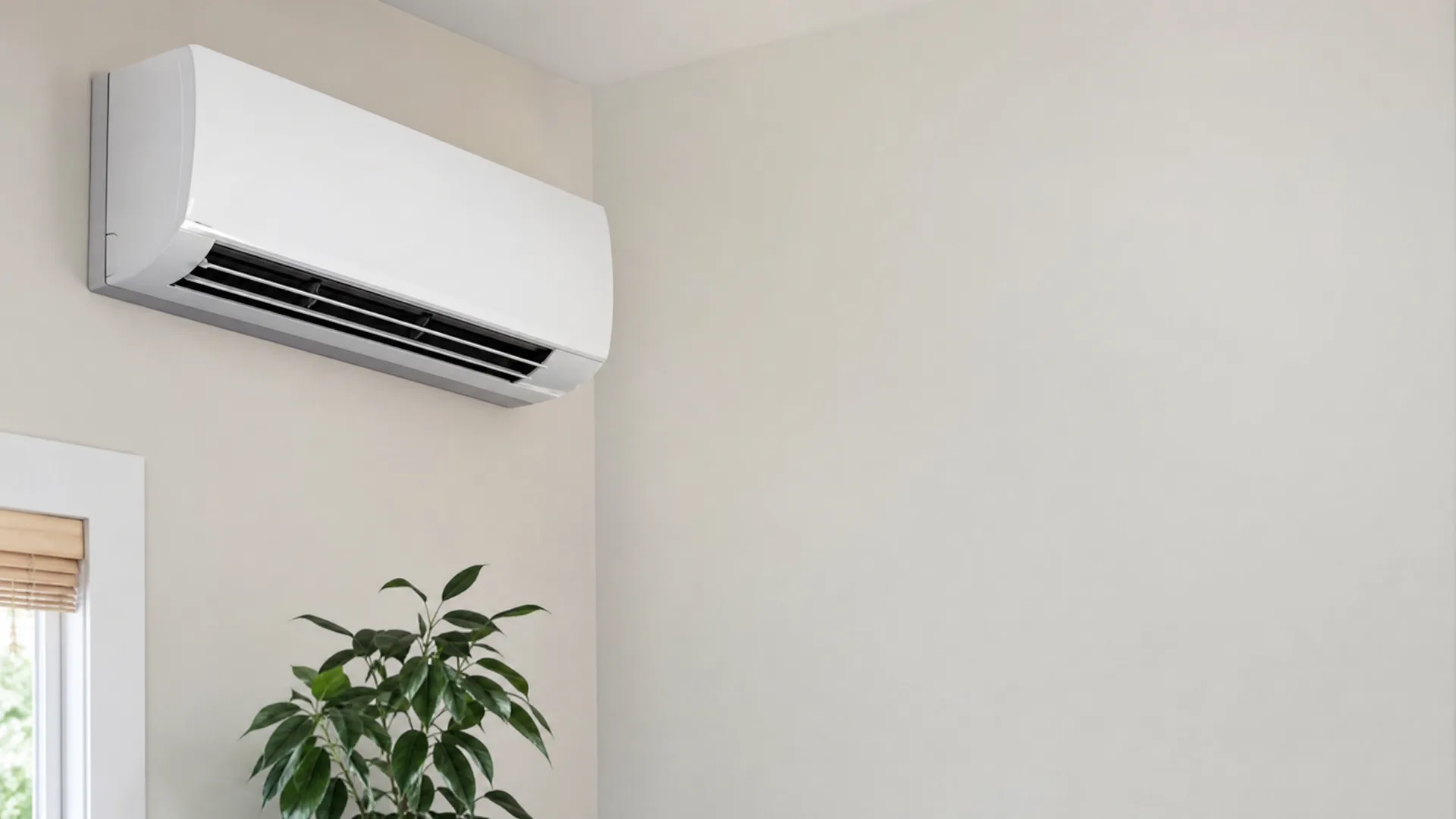
A white wall-mounted mini-split air conditioner near the ceiling of a beige interior corner, with a green houseplant and a curtained window at the lower left.

A basement left on its own

Without a mini split, a basement depends on whatever heat drifts down the stairs or through the floor above. Electric baseboard heat helps but runs constantly once it's the only thing fighting the cold down there. You keep a space heater nearby for the worst days. Anyone working or sleeping in the basement layers up, and you still hear complaints when a cold snap settles in. The room never quite matches the rest of the house, and nothing you do upstairs changes that.

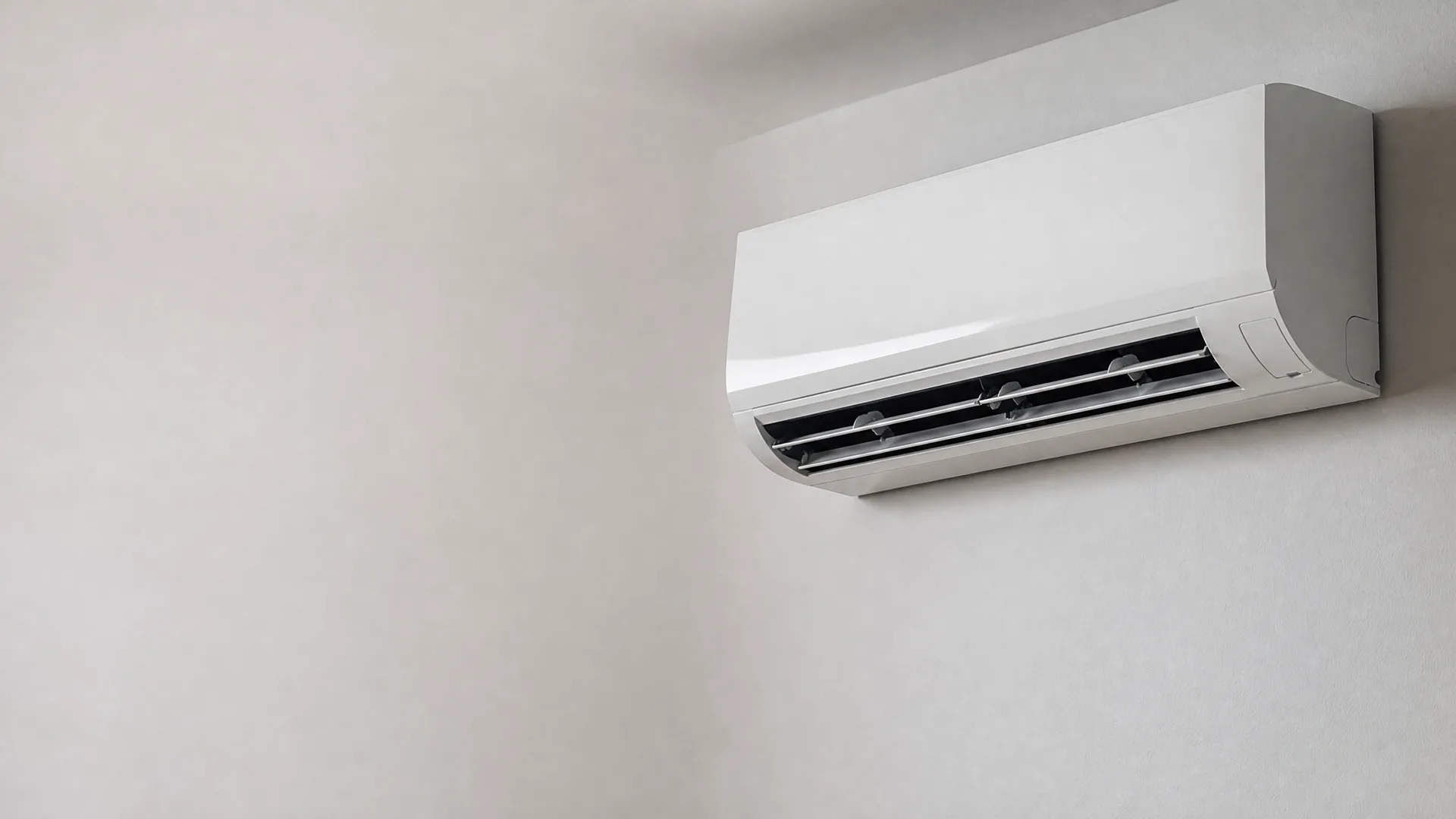
A white wall-mounted mini-split air conditioner indoor unit on a plain light gray wall, positioned to the right of frame.

A basement with its own heat source

A mini split installed in the basement answers directly to that room instead of waiting on heat to travel down. You set the temperature for that space and it holds, independent of what the thermostat upstairs is doing. Electric rates in Arkansas make running it steady an easy call. The stairs stop being a cold threshold. Whoever spends time down there, working, sleeping, or just storing things they still check on, finds the room behaves like any other in the house.

Power costs 12.87 cents per kilowatt-hour statewide

At that rate, running a mini split to warm a basement all winter costs less than most people expect, since heat pumps move heat instead of generating it. A basement unit sized right won't run up your electric bill the way a space heater or baseboard strip would.

EIA-861 2025 statewide residential average

A white wall-mounted mini-split air conditioner on a beige interior wall, with a cream curtain and window at left, a potted plant on a ledge at right, and a wood floor below.

Clean and running right

A mini split that's kept clear draws air through easily and keeps pulling heat out of the cold outside air without straining. The coils stay exposed to the air moving through them, so the unit heats the basement at the rate it was sized for.

A dusty, discolored white wall-mounted mini-split air conditioner unit installed high on a plain interior wall below a white ceiling molding.

Caked in dust

A mini split left uncleaned builds up dust across the vents and top panel like this one. That buildup blocks airflow to the coils, so the unit works harder for less heat, and a basement already fighting the cold falls further behind.

A mini split sized right for your basement will hold its own against an Arkansas winter, even on the handful of nights that drop near freezing. The room stays even, the floor above stops pulling heat it shouldn't have to make up, and whoever spends time down there stops noticing the stairs get colder as they go. Getting there starts with sizing the unit to the room and keeping it maintained, and that's work worth having a contractor look at rather than guessing. Once you send the form, you're done hunting for someone to call. A contractor who installs mini splits in your area gets your information and reaches out to you, so the next step is theirs to take, not yours.

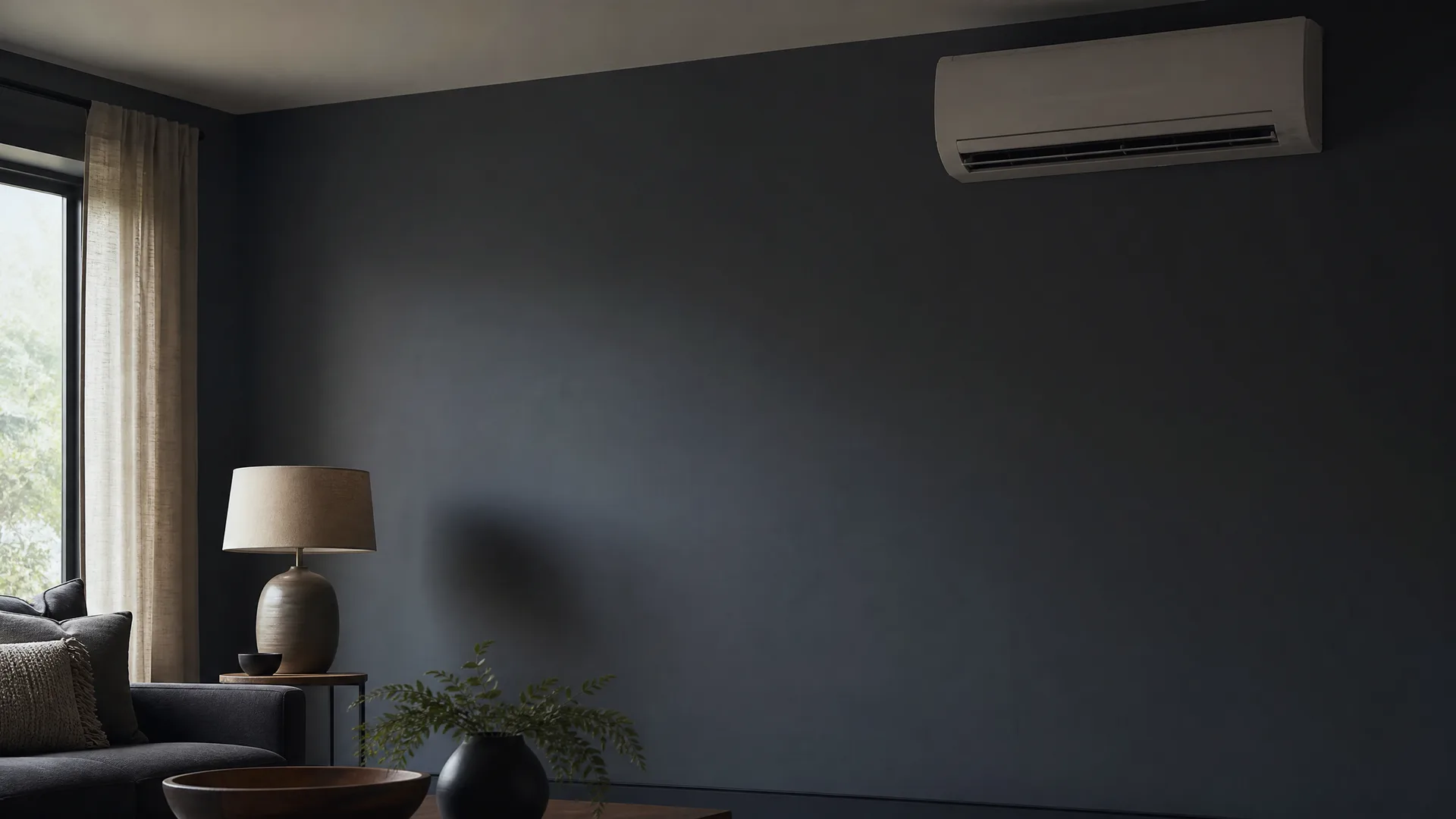
A dimly lit room with a dark gray wall holding a white wall-mounted mini-split air conditioner near the ceiling, with a sofa, table lamp, potted plant, and curtained window at left.

Get the right pro for your mini split

After you send the request, you're done searching.

Step 1 of 3: Equipment